Physical Address
304 North Cardinal St.
Dorchester Center, MA 02124
Physical Address
304 North Cardinal St.
Dorchester Center, MA 02124

The UK financial advice gap is a quiet crisis one that’s been hiding in plain sight.
According to the FCA’s Financial Lives Survey 2024, only 9% of adults received advice about their pensions or investments in the past year. But the question that keeps me up at night goes deeper: Why don’t people who look like me get financial advice and why aren’t there more advisers who look like me to give it?
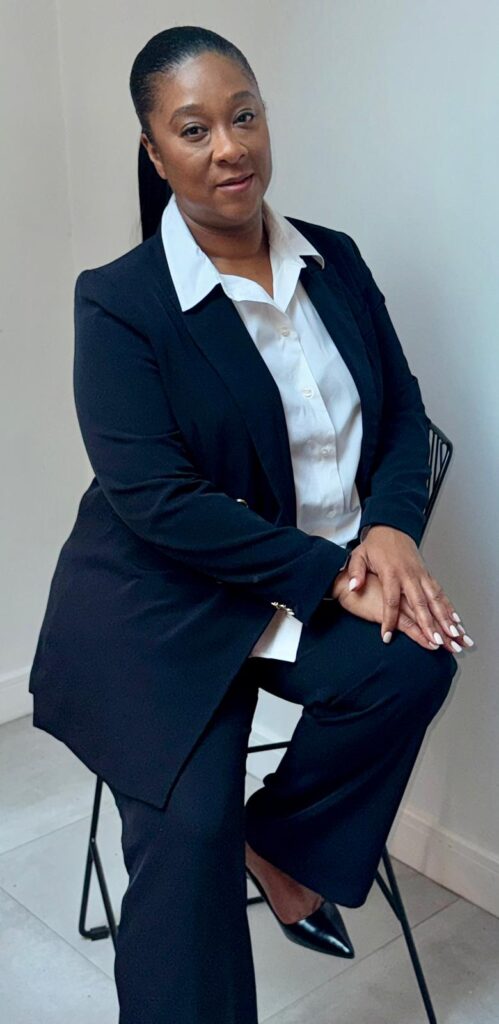
After over two decades as a Financial Adviser in the UK, I’ve become painfully used to being the “only one.” The only Black woman in the room. It’s happened so often, I’ve stopped being surprised, but I’ve never stopped being concerned
Just recently, I attended a major industry conference. Around 700 attendees. Not one Black woman Financial adviser in sight. Let that sink in.
And no, this isn’t about representation for the sake of ticking a box. It’s about access. It’s about a system that isn’t working for the communities who need financial guidance the most. The lack of diversity in our profession isn’t just a symptom of the advice gap it’s helping to cause it.
We know only 9% of UK adults received regulated financial advice in the past year (Financial Lives Survey 2024). But zoom in on race and gender, and it gets even more stark:
There’s no official data on how many Black female Independent Financial Advisers there are in the UK, and that’s part of the problem. Female Financial advisers make up about 15 % of advisers, but Black female advisers likely represent well below even 1% of that group if you then consider how many of those advisers are independant I fear the data gets even more scary.
This isn’t theory. This is lived experience.
When an industry lacks diversity, it fails to build trust with communities that have historically been underserved or excluded. Many people of colour especially Black women don’t just feel disconnected from financial advice, they often assume it isn’t for them.
It becomes a cycle. If young Black women don’t see themselves represented, they don’t enter the profession. If they’re not in the profession, communities miss out on relatable, culturally competent advice. And so the gap widens.

I started in my early twenties, not knowing what I wanted to do. I’d worked at Coral bookmakers in Clapham, calculating winnings and understanding odds. It was there I realised I had a knack for numbers and finance, skills that would later serve me well as a financial adviser. When I applied for a job at a bank, I was determined to learn more than just being a cashier. I remember taking home product brochures, yes the physical ones we had back then, particularly one about unit trusts and investments. I was genuinely fascinated by financial planning and investment strategies. When my male manager saw me with it, his tone suggested I’d never need that information. The message was clear: financial advice wasn’t for someone like me. But I knew better.
I persisted in my goal to become a financial adviser. When a young white woman straight from university became our manager, despite knowing nothing about banking, I saw the reality of who was expected to succeed in financial services. While I observed how quickly opportunities opened for others straight from university, I’m grateful for the genuine connection I built with her.
Despite our different backgrounds and career paths, she became a true advocate who believed in my potential. When I told her I wanted to become a financial adviser, she supported me wholeheartedly. But when she approached the regional manager about getting me on the training course, the response was immediate: “She’s not ready.” Her support meant so much that our professional relationship blossomed into a real friendship and I was even honored to attend her wedding, a reminder that meaningful connections can transcend workplace hierarchies.
This regional manager had never spoken to me, never seen my work. Yet somehow, she knew I wasn’t ready for a career in financial advice.
Here’s the thing about being told you can’t do something it can either break you or fuel you. It fueled me. My manager offered to pay for my financial planning exams if I’d study independently. I passed both with a distinction and a merit, outperforming many of those on the official course who had all the support and study time I didn’t have.
Finally, they couldn’t ignore my results. I got on the course, qualified, and became the third-highest performer in the team working in areas like Camberwell and Brixton (South London) where financial advice was rarely offered but deeply needed.
When you come from the same community as your client, something shifts. There’s a natural ease, an unspoken understanding. It’s not about excluding anyone else it’s about expanding access to everyone.
You don’t have to explain to me why your parents didn’t trust banks. When someone from my community talks about their relationship with money, influenced by our history and culture, I get the unspoken context.
It’s not that you have to be the same race or gender to provide good financial advice, I have worked with many clients from all backgrounds as do most of my successful colleagues.
But there’s something powerful about seeing yourself represented in professional spaces, about knowing that someone who looks like you has navigated the financial services world successfully.
This representation is crucial for closing the advice gap, particularly among underrepresented communities who may feel that financial planning isn’t for them.
The financial advice profession in the UK is shrinking. Many advisers are heading toward retirement. Fewer are coming in. And due to regulation and profit margins, the focus is shifting toward wealthier clients.
Where does this leave ordinary working people?. The teacher, the nurse, the single mum, the self-employed tradesman gets left behind. They’re left to navigate complex financial decisions alone, often making costly mistakes because they don’t know how to access professional financial advice.
When I speak about the lack of diversity in financial services, I’m not just talking about numbers, I’m talking about the real-world impact on financial inclusion. The problem compounds when you consider that:
Black Women face a double burden, the intersection of gender and race creating even greater barriers to financial wellbeing
Cultural understanding matters in financial planning, advisers who understand their clients’ backgrounds can provide more relevant advice
Role models are essential seeing successful professionals who look like you matters for career aspirations
The consequences of this representation gap are real and measurable. People from minority ethnic backgrounds are drowning in debt, not understanding how minimum payments on credit cards work. They’re missing out on compound growth because they think investing means buying shares in one company and risking everything.
Financial advice isn’t just about technical knowledge, though that’s important. It’s about building relationships, creating trust, and translating complex concepts into language that makes sense to real people. Some of my most intelligent colleagues struggle with clients because they couldn’t simplify their explanations.
This is where diversity becomes a strength in financial services. People from different backgrounds bring different perspectives on communication, different understandings of their communities’ needs, and different approaches to making financial concepts accessible.
I’ve had people on LinkedIn reach out to me who are studying for their financial planning exams, and they’re always surprised when I respond. They almost didn’t expect me to engage because it’s so rare to see established advisers, especially women of colour, actively supporting newcomers to financial services.
We need more people who look like me in the financial advice profession. Not just for the sake of representation, but because our communities desperately need financial guidance that’s accessible, affordable, and relatable.
The barriers to entry in financial services remain high, not necessarily in terms of qualifications, but in terms of cultural fit and support systems. We need established advisers to mentor newcomers, particularly those from underrepresented communities. We need firms to actively recruit from diverse talent pools. We need to show young people that a career in financial advice is not only possible but essential for their communities’ financial wellbeing.
We’re living through a cost of living crisis. People from minority ethnic backgrounds are less likely to be financially secure than their white counterparts. The UK is heavily indebted as a society, and much of this comes from lack of financial education and accessible advice.
Many people have money sitting in savings accounts earning less than inflation, not because they don’t want to invest, but because they don’t know how or they’re afraid of losing everything. They don’t understand that there are numerous types of investment products from very cautious to very adventurous.
Financial education and accessible advice aren’t luxuries they’re necessities for closing the advice gap and it needs to come from people who understand the communities they’re serving.
If you’re considering a career in financial advice, don’t let anyone tell you you’re not ready. Don’t let the lack of representation discourage you. The fact that there are so few of us makes your voice even more important in addressing the advice gap.
If you’re already in the profession, remember that mentoring the next generation isn’t just nice to do, it’s essential for the future of our industry and our communities.
If you’re someone who needs financial advice but has never sought it because you didn’t feel it was for people like you it is. Your financial wellbeing matters, your questions are valid, and your goals are worth pursuing.
The advice gap is real, but it’s not insurmountable. By increasing diversity in financial services and making advice more accessible, we can start to close it. One conversation, one qualification, one new adviser at a time.
Q: What exactly is the UK financial advice gap?
The financial advice gap refers to the fact that only 9% of UK adults have received financial advice about their pensions or investments in the 12 months to May 2024, despite the clear need for professional guidance in financial planning.
Q: Why don’t more people from ethnic minorities access financial advice?
Multiple factors contribute, including lack of representation in the profession, cultural barriers, affordability concerns, and the focus of many advisers on wealthy clients rather than providing accessible financial advice.
Q: How can I find a financial adviser who understands my background?
Look for advisers who actively promote financial inclusion, check their websites for diversity statements, and don’t be afraid to ask about their experience working with clients from your community.
Q: Is financial advice only for wealthy people?
Absolutely not. While many advisers focus on wealthy clients, there are professionals committed to making financial advice accessible to all income levels. The key is finding the right adviser for your situation.
Whether you’re considering a career in financial planning or you’re ready to take control of your financial future, I’m here to help bridge the advice gap.
For aspiring financial advisers: If you’re studying for your exams, considering this career path, or just want some guidance on breaking into financial services, don’t hesitate to reach out. I remember what it felt like to be the only one, and I’m passionate about supporting the next generation of diverse financial professionals.
For those seeking financial advice: As an Independent Financial Adviser with Throgmorton Private Capital Limited, I provide comprehensive financial planning services. I understand that everyone’s financial journey is different, and I’m committed to making quality financial advice accessible and relatable to all communities.
For financial coaching and education: Through my Community Interest Company, Manna Financial Freedom, I offer financial coaching and education services designed to empower individuals and communities with the knowledge and tools they need to achieve financial wellbeing.
Your financial wellbeing matters, regardless of where you’re starting from. Whether you have £1,000 or £100,000, your goals are valid and your questions deserve answers from someone who understands your journey.
Connect with me on LinkedIn (@natashanatasha-smith-ifa) or visit mannafinancial.co.uk to learn more about how we can work together to secure your financial future and help close the UK’s financial advice gap.
Data current as of July 2025


